99 Nights Loot Decisions: Fill the Carry Space With What the Camp Can Use Next
A full carry space is not automatically a useful return. Decide what the next camp task needs, compare that with what you can actually transport and reassess before adding one more detour to a load that is already valuable.
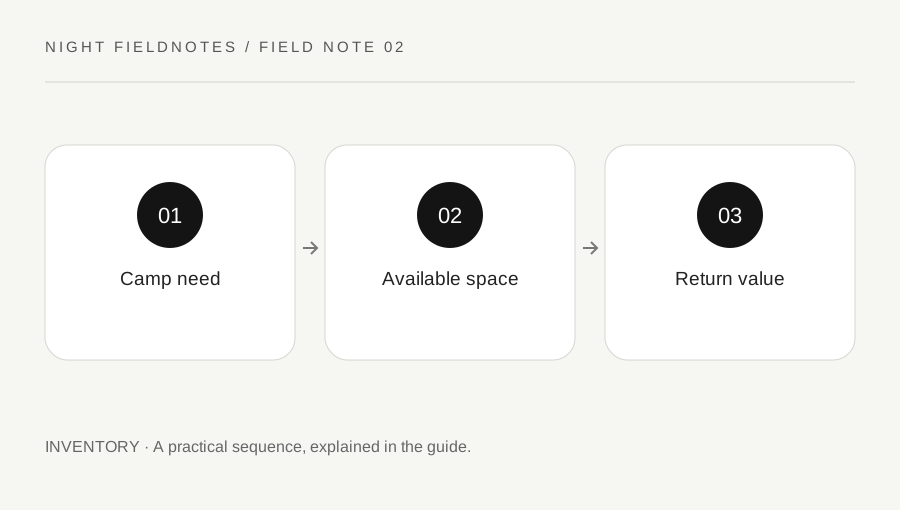
Original explanatory diagram. Examples illustrate a method or decision; they are not claims of personal testing.
Give the trip a receiving task
Before gathering, identify the next function the camp needs to complete. This may be preparing a known craft, restoring a particular reserve or bringing back equipment the group can use. The important question is what will happen to the load after you return.
Check the current carrying interface and your actual capacity. Do not use an old item list or another player's class setup as proof that your account can transport the same amount. Available tools and current game conditions can differ.
For example, a trip intended to supply an agreed crafting requirement should prioritize that requirement over unrelated objects that merely look valuable. This does not mean ignoring every unexpected find. It means recognizing when the contents of the trip have changed so you can decide whether the original task remains achievable. A useful load has a purpose the camp understands, not simply the largest number of objects you can collect.
Compare marginal items with the return already secured
As space fills, evaluate each new item against what it displaces and the time needed to obtain it. An extra object may be helpful, but it can also require another search, a different route or giving up something the camp specifically requested.
Read the current supported interactions before discarding, consuming or exchanging anything. This guide does not assume that every item can be recovered after being dropped or that all carrying tools behave identically. If the consequence is unclear, avoid a rushed irreversible choice.
Suppose you already carry most of the materials needed for a planned task and notice an unrelated resource farther away. Ask whether the detour helps the current bottleneck more than returning with the nearly complete load. The value of the trip includes the supplies already secured. Do not evaluate the next item as if the current load and the changing conditions around you did not exist.
Use partial returns deliberately
Returning before every slot is filled can be sensible when it makes an important camp function available sooner. The right comparison is not full versus incomplete; it is what the earlier delivery enables and what the longer trip risks delaying.
For instance, a smaller load may allow the camp to finish a necessary preparation while another player handles a separate task. A longer collection run may leave everyone waiting for the same missing ingredient. Coordinate the receiving task so the group can tell the difference.
Keep the return route and current character state in the decision. If conditions become uncertain, reassess the load as something worth delivering rather than as a reason to keep searching until it feels perfect. This is not a fixed return timer or a guarantee of safety. It is a way to make transport decisions from the current need, available space and practical chance of bringing the contents home usefully.
Unload in a way that closes the trip
On return, tell the relevant teammate what arrived and where it was placed using the supported interactions. Confirm whether the original receiving task can now proceed. A load left in an unexplained pile can remain unavailable in practice even though it physically reached camp.
Update the next trip from the actual remaining need. Do not repeat the same collection route by habit if the bottleneck has changed. Conversely, do not assume a craft is ready because you delivered many objects; check the exact current requirement.
After a poor trip, identify the decision that reduced usefulness: collecting without a task, displacing a requested item, extending a detour or failing to communicate the delivery. Choose one correction. Inventory decisions become easier when the trip has a clear destination in the camp workflow. You can still explore and enjoy unexpected finds, but you do so with an understanding of what the carried load is meant to accomplish when the forest journey ends.
A practical checklist
Choices are saved in this browser. Reset them here or clear this site’s browser storage.
Questions that come up
Must every trip fill every available slot?
No. An earlier partial delivery can be more useful when it completes a preparation the camp is waiting for.
Are all carried items equally useful?
No. Evaluate them against the current camp need and the cost of transport or displacement.
Does returning with many objects prove the task is complete?
No. Confirm the exact requirement and communicate where the relevant supplies arrived.
References & scope
Background references checked on 18 October 2026. Worked examples and diagrams are original teaching material.