99 Nights in the Forest First Night: Establish a Camp That Can Recover
A good opening creates a camp you can return to after a mistake. The official experience describes building a camp with friends; the detailed mechanics below use clearly attributed community references reviewed October 18, 2026. This is an original normal-run plan, not a live-tested speedrun. Updates, events and modes can change conditions, so read your current run’s prompts. The campfire helps against certain threats, but it is not a guarantee that every enemy stays outside camp.
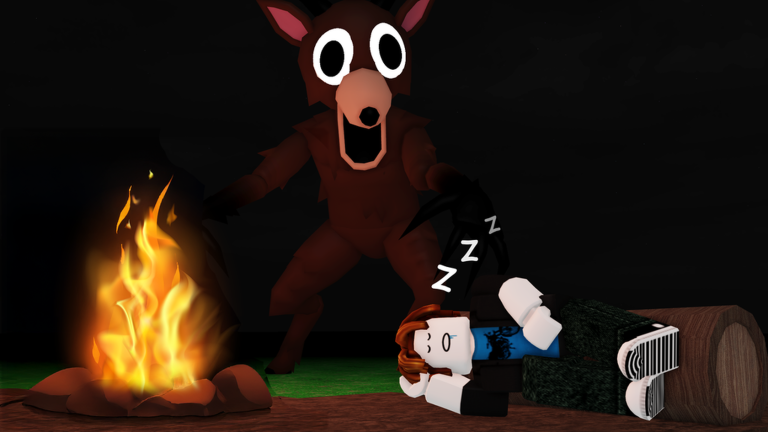
Creator-published game image · 99 Nights in the Forest creator / Roblox. Official experience-page promotional image in independent editorial context. Character and game rights remain with their respective owners; not offered for redistribution.
Learn the camp layout before wandering
Identify the fire, crafting area and the path by which you first leave camp. Notice which objects accept fuel and which process materials for crafting. Those functions are different. Learn the inventory action for picking up, carrying and placing ordinary resources on your platform. Before a long trip, test a short out-and-back journey with one useful item. Returning successfully with a small load is a stronger opening than carrying valuable loot while unsure where the camp is.
Give the fire a reliable fuel margin
The community campfire reference describes a fire that continually depletes and gains progress through fuel. Make collecting and adding suitable fuel an immediate task. Do not assume someone else is watching the meter. When playing with others, explicitly assign the first fuel check. Preserve a nearby reserve rather than distributing every resource immediately into optional projects. A visible margin lets the group handle an unexpected delay, a distracted teammate or a longer-than-planned return without turning the opening into a crisis.
Gather a small food supply on the same route
Collect recognizable food while gathering fuel or visiting a nearby resource area. Separate what can be consumed directly from anything that needs the game’s cooking action. The campfire can cook raw food according to the community reference. Use the current item prompt and confirm the result before carrying it as a prepared supply. Avoid taking every food item away on one player. A camp reserve helps returning teammates recover and prevents a single failed expedition from removing the group’s entire meal plan.
Prioritize navigation before a distant detour
The community crafting reference lists the Map among early crafting options. Once the camp’s immediate needs are covered, inspect the current recipe and prepare it if appropriate. Learn what the display shows and how you orient relative to camp. Keep a physical landmark route as well, because the community reference notes that a fire outage can affect map access. A navigation item is useful support, but it does not remove the need to turn around while there is still a reasonable return window.
Set a return rule before the sky changes
Choose a conservative cue for ending the opening trip: declining supplies, a full useful load or the approaching night warning. Travel back before every condition becomes urgent at once. Do not use the first night as an excuse to test how far away you can remain. The reviewed Deer reference describes nighttime danger outside the fire’s protection in ordinary conditions. Different events may behave differently, so watch the actual warning. A prepared return is simpler than an emergency chase with no fuel or food margin.
Worked example: two players both leave for better loot
Suppose both campers find an attractive building and keep extending the trip. Neither has checked the fire, and their return route is uncertain. The better opening plan assigns one player a short fuel loop while the other scouts a nearby location, with both returning on an agreed cue. After unloading and checking the meter, they can choose a joint trip. The point is not that exploration is wrong. It is that a camp becomes fragile when every basic task depends on both explorers returning perfectly.
Treat the first night as a systems check
At camp, prepare food, organize supplies and inspect what the next useful craft requires. Keep awareness of threats; community documentation warns that Cultists are not universally excluded by the fire. Do not stand in danger merely because the camp appears bright. If a threat arrives, preserve room to move and help the group with ordinary supported tools. The first night should reveal whether fuel, food and navigation are dependable enough for a longer next-day trip.
Plan one improvement for the next daylight period
Choose the next task based on the actual bottleneck. If food is unreliable, improve its supply. If fuel requires constant emergency runs, organize a better collection route. If nobody can navigate, prioritize that before a rescue. Avoid spending all materials on an impressive-looking camp while missing a basic function. End the opening with a clear statement of what the group can safely attempt next. Progress is a stable camp plus a useful next action, not simply the most distance covered before night.
Your working checklist
Checkmarks stay in this browser when storage is available. They do not alter your game or connect to your account.
Put it into practice
- Identify the fire and crafting area, then perform a short resource trip and return before committing to distant exploration.
- Add suitable fuel, check the actual meter and keep a reserve. Gather and prepare food on a route that remains easy to retrace.
- Inspect early navigation options and establish a conservative daylight return cue. Assign fuel responsibility explicitly when several players are present.
- Use the first night to check supplies and organize the next useful improvement. Keep watching for enemies that the campfire does not automatically exclude.
Before you finish
- Fuel responsibility has a named player.
- I know the short route back without relying only on a map.
- Food and fuel reserves are not all carried by one explorer.
Common questions
Should I search for a child immediately?
First establish a reliable camp and navigation route. A rescue adds travel and combat demands. Preparing food, fuel and a return plan makes the attempt more useful than rushing out with no recovery margin.
Is the lit camp completely safe?
No universal claim is justified. The community reference describes protection against certain monsters but warns that Cultists can enter. Continue watching threats and use the current run’s behavior and warnings.
What is the most useful first-night goal?
Create a functioning return point: adequate fire, prepared food, clear navigation and an agreed next task. That foundation supports later exploration more reliably than an early risky detour for one attractive item.