99 Nights Campfire Fuel: Balance Survival, Upgrades and Crafting Wood
The campfire is both a survival system and a progression system. Letting it fail can disrupt more than visibility, while feeding it every useful item can starve crafting or food plans. This original guide explains priorities and team decisions rather than publishing exact fuel-cost tables. Community documentation was reviewed October 18, 2026; some listed quantities vary or conflict, so read the current run’s fuel display and actual crafting requirements instead of relying on a frozen numeric recipe.
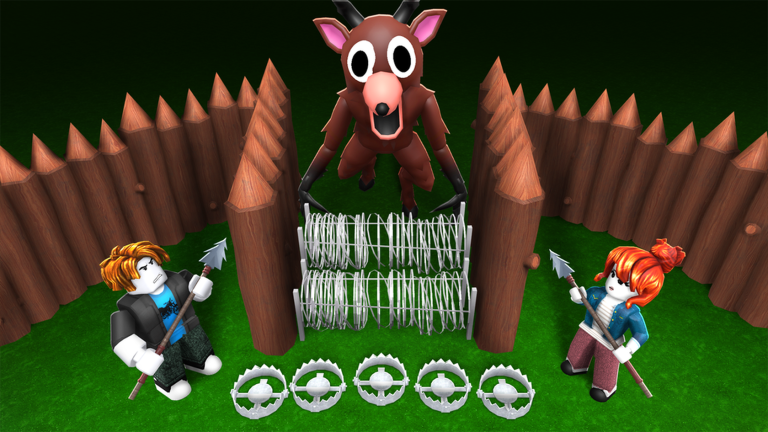
Creator-published game image · 99 Nights in the Forest creator / Roblox. Official experience-page promotional image in independent editorial context. Character and game rights remain with their respective owners; not offered for redistribution.
Separate keeping the fire alive from pursuing the next level
A fire with enough immediate fuel and a fire ready for the next upgrade are related but different goals. First cover the near-term survival need. Then decide whether the next expansion helps the planned expedition. Do not send every player far away for upgrade fuel while leaving no one able to respond to the current meter. A staged plan maintains the existing camp and then gathers surplus for progress. This makes an unexpected delay less likely to turn a useful upgrade project into a total-run emergency.
Assign a check, not a vague shared responsibility
In a group, name who checks fuel before departure and who remains responsible during a longer trip. Other players can help gather, but the status should have a clear owner. Agree on a simple warning phrase and a nearby resource route. If the responsible player leaves or disconnects, transfer the job explicitly. A task belonging to everyone can become a task nobody notices. The goal is a reliable check, not forcing one teammate to spend the entire run silently doing maintenance.
Reserve wood for the next necessary craft
Logs can have competing uses, including fuel and crafting materials through the game’s systems. Inspect the next important recipe before consuming the entire supply. Keep separate visible piles or a clear verbal agreement for fuel reserve and craft reserve where supported. Do not treat those categories as physically protected from accidental use; check before spending. If immediate survival requires using a reserved item, say so and revise the craft plan. A camp that survives with a delayed upgrade can still recover.
Evaluate fuel by access and practical use
Community documentation lists several fuel types. Rather than copying an exact value table, compare what your group can currently gather, carry and use safely. A high-value item located far away may be a poor emergency option. Keep some accessible fuel near camp and plan longer collection trips while the margin is comfortable. Observe the actual bar change when adding an unfamiliar item. This turns fuel planning into a repeatable decision based on your run rather than an assumption about a different party size or event.
Adjust the plan when weather increases pressure
The community campfire reference identifies weather as a factor in depletion. When conditions worsen, shorten optional trips and recheck the reserve more often. Do not wait for a nearly empty meter before realizing the previous collection rhythm is insufficient. Assign the nearest available player to a short fuel route while others protect the camp or complete necessary tasks. The response should reduce uncertainty and travel, not launch an ambitious expedition for the theoretically best fuel while the current fire is failing.
Worked example: an upgrade consumes the whole reserve
Suppose the group adds every stored fuel item to pursue a higher fire level, then immediately starts several distant trips. An unexpected delay leaves nobody near camp with a replacement supply. A safer plan checks the remaining accessible reserve before departure and assigns a short restocking loop after the upgrade. The upgrade itself was useful, but it did not eliminate ongoing maintenance. Treat each expansion as a new planning checkpoint with a larger exploration choice and a fresh fuel check.
Respond to an outage without pretending nothing changed
If the fire goes out, recognize that normal protections and support functions may be disrupted. Signal the emergency and avoid wandering farther away. A nearby player with suitable fuel can attempt the ordinary relighting action if the approach is manageable; others should avoid creating additional exposure. Do not rely on a community exploit spot or assume every enemy behaves identically during an outage. Once the fire is restored, regroup and verify the camp’s functions before resuming the expedition that caused the interruption.
Use fuel stability to unlock better decisions
At the end of a cycle, review whether fuel required constant emergencies or followed a predictable route. If the system is stable, assign surplus effort to food production, navigation or an intended rescue. If it is unstable, solve access and responsibility before chasing another distant objective. A strong camp does not merely display a high fire level. It has enough organized resources and attention to keep that progress useful throughout the next trip and the following return.
Your working checklist
Checkmarks stay in this browser when storage is available. They do not alter your game or connect to your account.
Put it into practice
- Check the actual fire state and cover immediate survival before choosing a longer upgrade project. Name the person responsible for the next check.
- Reserve materials for the next necessary craft and maintain accessible fuel separately where practical. Verify unfamiliar fuel through the actual display.
- Shorten optional trips during worsening conditions and use nearby collection routes for emergencies. Reassess reserves after every major upgrade.
- If an outage occurs, signal it and restore ordinary camp function through supported actions. Review why the margin disappeared before restarting distant tasks.
Before you finish
- Maintenance and upgrade goals are separate.
- Fuel and crafting reserves have an agreed purpose.
- The group has a nearby emergency collection option.
Common questions
Should every log go directly into the fire?
No automatic rule fits every stage. Keep immediate survival covered, then inspect crafting needs and other available fuels. Spending all wood can delay tools that would make future resource collection more reliable.
Can a high-level fire be ignored?
No. Progress does not remove the need to check the current meter and conditions. Reassess after upgrades, weather changes and departures so the group does not confuse a previous surplus with a permanent supply.
Who should watch fuel in a team?
Assign the check explicitly and rotate when appropriate. Everyone can contribute resources, but one clear current responsibility is easier to coordinate than several players assuming another person has already handled it.